How Can You Find Your Skin Type? A Practical At‑Home Guide That Actually Works
Learn how can you find your skin type with simple at-home tests, signs to look for, and what to do next for a smarter skincare routine.
Why skin type matters more than the products you buy
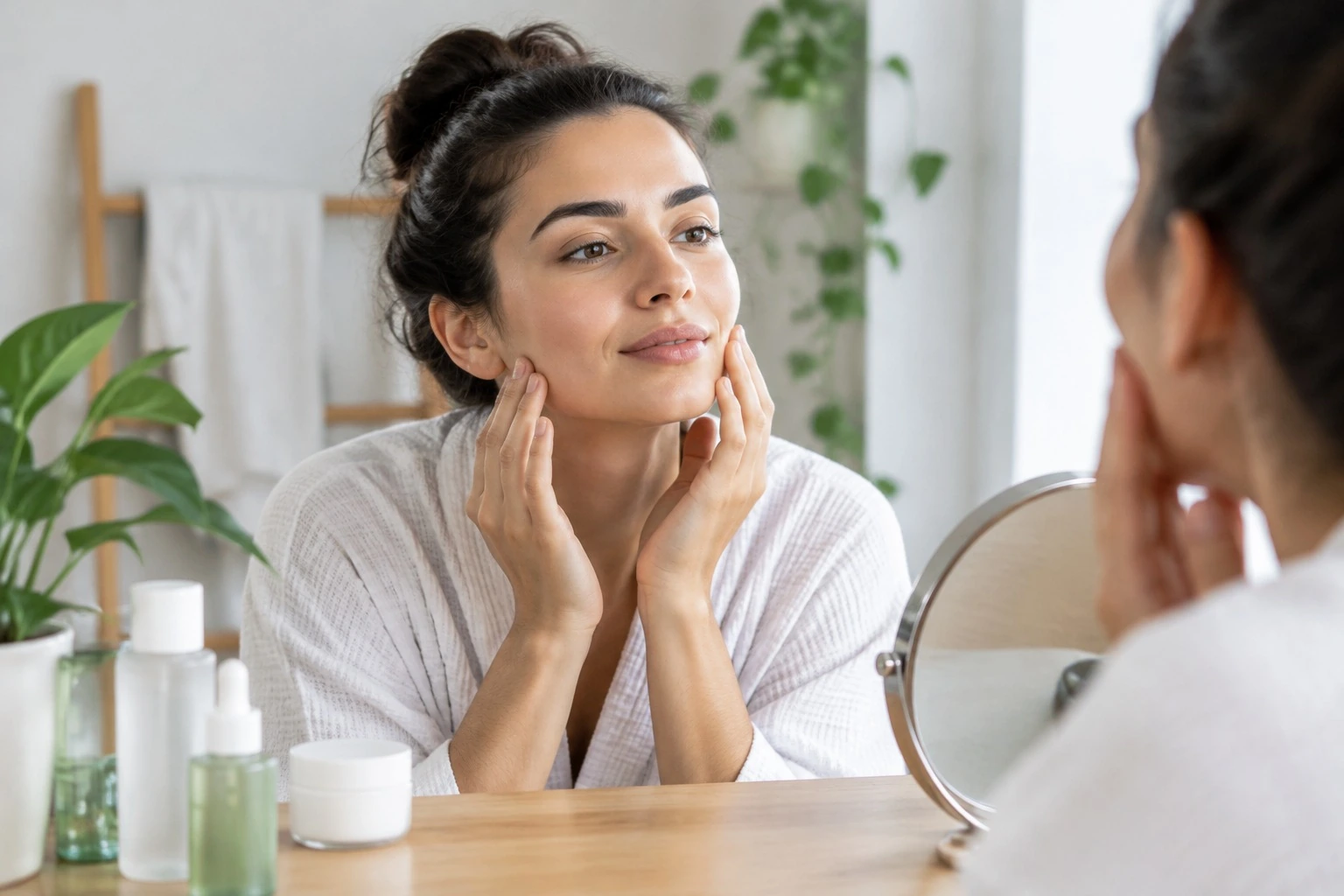
If you’ve ever copied a friend’s skincare routine and ended up with breakouts, tightness, or a shiny T-zone by lunch, the missing piece is usually your skin type. Your skin type (oily, dry, combination, normal, or sensitive) influences how your skin holds water, how much oil it produces, and how it reacts to active ingredients.
Knowing your skin type helps you make fewer, better choices: the right cleanser texture, the right moisturizer weight, and the right frequency for exfoliants. It also reduces trial-and-error spending—because a “best-selling” product isn’t best for everyone. The good news: you can figure it out at home with a few simple checks, as long as you test the right way.
How can you find your skin type? Start with the bare-face test
The most reliable at-home method is the bare-face test (sometimes called the “wait and watch” test). It works because it lets your skin reset without makeup, sunscreen, or heavy creams influencing the results.
1) Cleanse gently: Wash your face with a mild cleanser (no scrubs, no exfoliating acids). Pat dry.
2) Don’t apply anything: No toner, serum, moisturizer, facial oil, or sunscreen for now.
3) Wait 60 minutes: Try not to touch your face. Avoid sweating or cooking over steam during this time.
4) Check your skin in natural light: Look at your forehead, nose, cheeks, and chin. Notice both how it looks and how it feels.
What to look for:
- If your face looks shiny across most areas and feels slick: likely oily skin.
- If it feels tight, looks dull, or shows flaking: likely dry skin.
- If your T-zone (forehead/nose/chin) gets shiny but cheeks feel normal or tight: likely combination skin.
- If it feels balanced and comfortable with minimal shine or tightness: likely normal skin.
Tip from the Bazdid Radar mindset: document it like a “quick audit.” Take two photos—right after cleansing and at the 60-minute mark—so you can compare patterns instead of guessing.
Use the blotting sheet test for a faster second opinion
If you want a quicker, more visual check, add a blotting sheet or plain tissue test. This doesn’t replace the bare-face test, but it can confirm oil distribution.
How to do it:
- About 2–3 hours after cleansing (and without heavy creams), press a blotting sheet or clean tissue onto your forehead, nose, chin, and cheeks.
- Hold it up to the light.
How to read it:
- Oil marks on most sections: oily skin.
- Little to no oil anywhere, plus tightness: dry skin.
- Oil mostly from the T-zone, minimal from cheeks: combination skin.
- Minimal oil but comfortable cheeks and T-zone: normal skin.
If results don’t match the bare-face test, trust the bare-face test more. Blotting can be influenced by temperature, stress, and what you applied earlier.
Don’t confuse skin type with skin condition (this is where many people go wrong)
Skin type is your baseline tendency. Skin condition is what’s happening right now—often temporary and changeable.
Examples of conditions:
- Dehydration: skin can feel tight and look dull even if you’re oily. Dehydrated skin often shows fine lines when you smile and may feel “oily but tight.”
- Sensitivity: burning, stinging, redness, or easy irritation. Sensitive skin can be oily, dry, or combination.
- Acne-prone: breakouts triggered by clogged pores, hormones, or irritating products—again, possible with any skin type.
So if you’re asking “how can you find your skin type” and you feel both oily and flaky, don’t panic. You might be combination skin, or you might be oily skin that’s dehydrated from over-cleansing or over-exfoliating.
A simple rule: if your skin stings when you apply basic products (even a gentle moisturizer), treat sensitivity first—then fine-tune oil/dryness later.
Quick guide: what each skin type needs (so you can act today)
Once you’ve identified your type, keep your next steps simple. The goal isn’t a 12-step routine—it’s a stable baseline.
Oily skin
- Cleanser: gentle foaming or gel cleanser.
- Moisturizer: lightweight, non-greasy lotion or gel-cream.
- Watchouts: harsh alcohol toners and over-washing can increase oiliness by irritating the barrier.
Dry skin
- Cleanser: creamy or hydrating cleanser.
- Moisturizer: richer cream with barrier-supporting ingredients (look for “barrier,” “ceramide,” or “soothing” language).
- Watchouts: frequent exfoliation, hot water, and strong acne cleansers.
Combination skin
- Cleanser: gentle gel or low-foam cleanser.
- Moisturizer: medium-weight lotion; you can apply a bit more to cheeks and less to T-zone.
- Watchouts: treating the whole face like it’s oily. Spot-balance instead.
Normal skin
- Cleanser: mild cleanser.
- Moisturizer: light to medium lotion.
- Watchouts: changing products too often. Keep what’s working.
Sensitive skin (can overlap)
- Strategy: simplify. Use fewer products and introduce one new item at a time.
- Watchouts: fragrance-heavy routines, aggressive actives, and frequent product switching.
No matter your type, sunscreen in the morning is a baseline habit for most routines. If sunscreen makes you greasy or stings, that’s not “your skin failing”—it’s a formula mismatch. Switch textures until you find one you’ll wear consistently.
When to re-check your skin type (because it can shift)
Your skin type is relatively stable, but it can shift with seasons, hormones, stress, climate, and routine changes. Re-check when:
- Seasons change (especially summer to winter).
- You start or stop active ingredients (like retinoids or exfoliating acids).
- Your skin suddenly becomes tight, shiny, or reactive for more than 2–3 weeks.
- You move to a different climate or your indoor heating/AC changes.
A practical schedule: do the bare-face test once now, then repeat in three months—or sooner if your skin starts acting “new.” Keep a simple note in your phone: skin feel, shine level, and any irritation. Small data beats vague memory.
A final checklist: answer these and you’ll know your type
If you want a quick self-assessment, use these yes/no prompts after doing the bare-face test:
- Does your face feel tight within an hour of cleansing? (Dry tendency)
- Does your face look shiny in most areas within an hour? (Oily tendency)
- Is shine mostly in the T-zone but cheeks feel different? (Combination tendency)
- Does your skin often sting or flush easily with products or weather changes? (Sensitive tendency)
If you can clearly map your answers, you’ve solved the core question: how can you find your skin type. From here, your next best move is to build a basic routine—cleanser, moisturizer, sunscreen—and only then add targeted steps (like acne care or brightening) one at a time.
Algemene informatie over cosmetische huidverzorging. Bij medische klachten of twijfel helpt je huisarts of dermatoloog je verder.